
Meet Ms. Hairston
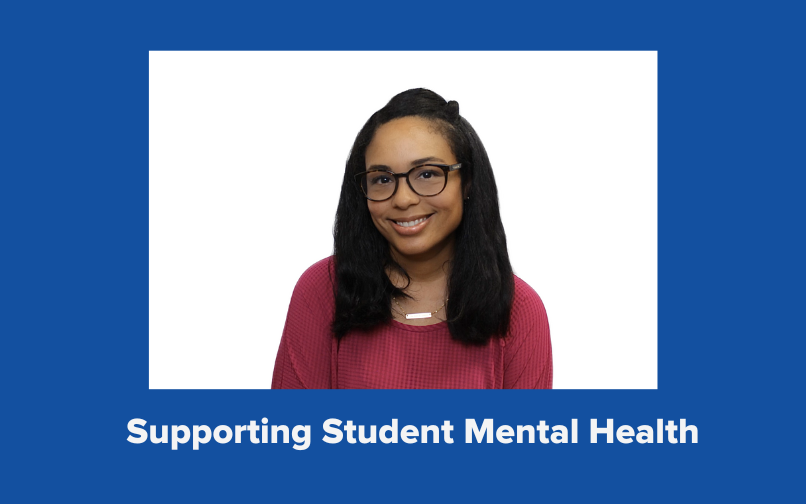
When Nicole Hairston first joined North Carolina Virtual Academy (NCVA) in 2019, she knew she had found a place where she could make an impact. After five years serving as a high school counselor, she stepped away to pursue her licensure as a mental health therapist – but NCVA called her home again.
Now, Ms. Hairston is helping to shape a brand-new role at NCVA: school-based mental health counselor.
“I really missed being a high school counselor, but I also knew there was a deeper need for mental health awareness and support,” she shared. “This role allows me to combine both.”
A Calling Sparked in Middle School
Ms. Hairston’s passion for counseling goes back to her own school experience. After moving mid-year in middle school, she was assigned as a teacher’s assistant for her school counselor.
“I got to sit in on peer mediations and see how the counselor connected with students,” she explained. “That left a lasting impact on me. I love education, but I knew my strength wasn’t in teaching a single subject – it was in helping students and families navigate life’s challenges.”
That early experience planted the seed for her career path, one that has since blended academic counseling with therapeutic support.
Meeting Students Where They Are
Over the years, Ms. Hairston has seen a wide spectrum of needs.
“A lot of what shows up as anxiety can actually be rooted in confidence issues, communication challenges, or emotional regulation,” she noted. “Sometimes it looks like a big outburst, sometimes it looks like silence. Either way, it’s about giving students tools to manage their emotions and build resilience.”
Ms. Hairston explained that while virtual learning changes how counselors observe and respond, the need for support is just as strong as in other settings.
“In a classroom, you can see a student fidgeting or notice their facial expression. In a virtual setting, the signs may look different – like not participating in a chat, avoiding the camera, or turning in work that signals distress. The challenges are still there. We just have to meet them differently.”
Building Trauma-Informed Awareness
Part of Ms. Hairston’s vision is ensuring that support extends beyond one-on-one counseling. Earlier this year, NCVA partnered with a trauma-informed therapist to train counselors, advisors, and teachers.
“The goal is to lead with connection over content,” Ms. Hairston explained. “If a student doesn’t turn something in or reacts in a certain way, we pause and see them as an imperfect human being first. That compassion makes all the difference.”
Ms. Hairston has already shared these practices with NCVA’s high school team and hopes to expand them to middle and elementary staff as well.
Supporting Families and Staff
In her role, Ms. Hairston not only provides individualized therapy for students but also serves as a resource for families and teachers.
“One of the best parts is that these services are free for NCVA students, so they don’t have to navigate insurance or travel hours for an appointment,” she said. “At the same time, I can help connect families with local providers if in-person support feels like a better fit.”
She also emphasizes the importance of learning coaches and parents in spotting concerns: “Families are our eyes and ears at home. Their awareness helps us step in when needed.”
Is Online Learning Right for You?
Explore North Carolina Virtual Academy and discover how our flexible online programs can empower your child to thrive, graduate early, and achieve their goals sooner. Click here to get started today!
Back to BlogRelated Blog Posts
A New Year of Learning and Growth
The start of a new school year is always filled with possibilities at North Carolina Virtual […]

Six Unique Outdoor Learning Spaces
One of the incredible perks of online schooling at North Carolina Virtual Academy (NCVA) is the […]

Five Tips for Success in Elementary School
At North Carolina Virtual Academy (NCVA), we understand that learning in an online environment offers unique […]